Welcome to your amazing next trip

Discover the Serenity of Kyoto: Experience a Traditional Tea Ceremony and Its Transformative Effects
5/27/20265 min read
The Cultural Significance of Tea Ceremonies in Japan
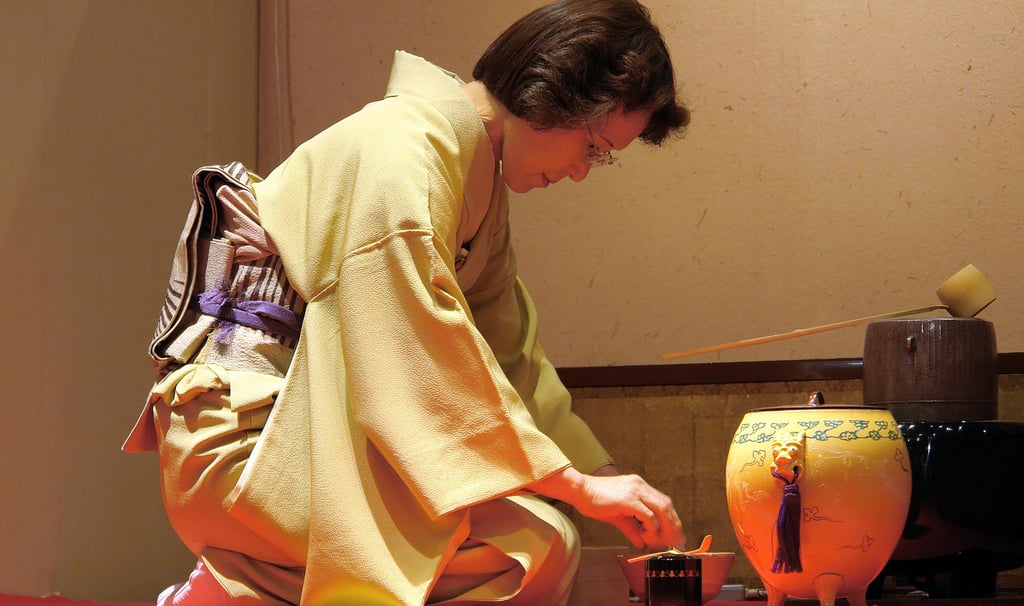
The cultural significance of tea ceremonies in Japan is deeply rooted in the country's history and social practices, particularly within the serene environment of Kyoto. This an age-old tradition, known as *chanoyu* or *sado*, transcends mere beverage preparation; it embodies the essence of Japanese aesthetics and social etiquette.
At its core, the tea ceremony is a ritualistic practice that emphasizes tranquility, respect, and harmony. It is a space where participants engaged in mindful contemplation may momentarily escape the chaos of everyday life. Each ceremony is meticulously choreographed, from the careful selection of tea utensils to the arrangement of seasonal flower displays, reflecting the profound connection between nature and the art of tea.
Historically, the roots of the tea ceremony can be traced back to the 12th century, with influencers such as the Zen monk Eisai, who brought tea to Japan from China. Over the centuries, the practice evolved, particularly during the 15th and 16th centuries, garnering contributions from notable figures like Sen no Rikyū, who introduced the philosophy of *wabi-sabi*, emphasizing simplicity and appreciation for imperfection.
Every element within the tea ceremony, from the selection of the *matcha* to the handcrafted utensils, carries symbolic meaning. The usage of specific tools, such as the *chawan* (tea bowl) and *chasaku* (tea scoop), requires practitioners to engage in an intricate dance of respect towards their counterparts and their surroundings. This ritual serves as a mirror, reflecting broader societal values such as humility, consideration, and an appreciation for hospitality, quintessential to Japanese culture.
Overall, the tea ceremony stands as a testament to Japan's rich cultural heritage, representing an exquisite mixture of art, philosophy, and mindfulness, which continues to inspire both locals and visitors alike in Kyoto and beyond.
The Experience of Visiting a Traditional Tea House Near Kiyomizu
Visiting a traditional tea house near Kiyomizu offers a unique sensory experience that extends beyond just the taste of tea. Upon entering the tea house, guests are greeted by the calm atmosphere characterized by minimalistic Japanese aesthetics, which are thoughtfully designed to promote tranquility. The aroma of freshly brewed matcha fills the air, inviting visitors to pause and savor the moment. This olfactory sensation immediately evokes a sense of mindfulness, drawing participants deeper into the essence of the tea ceremony.
The surrounding beauty of the tea house enhances the experience, with exquisite views of the Kiyomizu-dera Temple and its stunning natural settings. The scenery, adorned with cherry blossoms in spring or vibrant maple leaves in autumn, creates a picturesque backdrop that adds to the contemplation the tea ceremony encourages. Guests are encouraged to appreciate the play of light and shade around them, which complements the ritualistic nature of the ceremony.
Warm hospitality is at the heart of this tradition, with the host carefully guiding participants through the intricacies of the ceremony. Each movement is deliberate, reflecting years of training and dedication to the art of tea-making. This meticulous attention to detail fosters a deep sense of respect and appreciation for the tea being served. As the host prepares the matcha, visitors are encouraged to engage in conversation, yet often find that silence can be equally powerful—a reminder of the profound peace that the tea ceremony embodies.
The serene environment of Kiyomizu-dera further amplifies the experience. Surrounded by nature, the sounds of chirping birds and rustling leaves form a soothing soundtrack that harmonizes with the careful preparation of tea. This atmospheric setting not only enriches the sensory experience but also allows for reflection and mental clarity, making the traditional tea ceremony a transformative event in the heart of Kyoto.
The Positive Effects of Participating in a Tea Ceremony
Engaging in a traditional tea ceremony offers a myriad of mental and emotional benefits, particularly in the realm of mindfulness and relaxation. This ancient practice, steeped in cultural significance, encourages participants to slow down and fully immerse themselves in the moment. By focusing on the intricate details of the ceremony—from the selection of tea leaves to the delicate art of preparation—individuals can cultivate a sense of presence that is often eluded in daily life. This mindful engagement fosters a profound relaxation response, alleviating stress and anxiety while promoting emotional well-being.
Moreover, the tea ceremony serves as a ritualistic escape from the fast-paced demands of modern life. The serene atmosphere, often enhanced by natural surroundings, helps create a sanctuary where participants can unwind and reflect. This intentional pause allows individuals to reconnect with their inner selves, fostering a sense of clarity and peace that enhances their overall psychological health.
The broader concept of wellness retreats in Japan complements this transformative experience. Many wellness retreats incorporate elements of yoga and meditation, aligning seamlessly with the calming effects of a tea ceremony. These activities collectively promote a holistic approach to wellness, allowing participants to transform their emotional landscape. As they practice mindfulness through movement and stillness, participants are equipped to cultivate resilience against life's challenges, enhancing their capacity for happiness and contentment.
In light of these benefits, incorporating a traditional tea ceremony into one’s wellness journey is not merely an enjoyable activity; it is an effective strategy for nurturing mental and emotional health. By combining this practice with yoga and meditation, individuals can experience a more integrated approach to tranquility and inner harmony, making their time in Japan truly restorative.
Getting Started: How to Plan Your Visit to Kyoto and Engage with Local Wellness Retreats
Planning a trip to Kyoto can be an exciting yet daunting task, but pursuing the city's rich traditions and wellness offerings is undoubtedly rewarding. To make the most of your visit in 2026, consider scheduling your trip during the cherry blossom season from late March to early April or the vibrant autumn foliage season in November. Both times offer stunning backdrops for your exploration of wellness retreats and traditional experiences.
When looking for affordable wellness retreats, there are numerous options available within Kyoto that cater to various preferences and budgets. From yoga retreats nestled in serene landscapes to meditation workshops led by experienced practitioners, you can tailor your travel experience to align with your wellness goals. Initiatives like the Kyoto Zen Meditation programs offer insights into mindfulness practices that promote inner peace.
For those seeking convenience in booking your wellness experiences, websites like getyourguide.com serve as excellent resources. This platform provides a plethora of wellness retreats and traditional experiences, allowing you to explore numerous options effortlessly. With just a few clicks, you can discover insightful tea ceremonies, rejuvenating spa experiences, and enriching cultural workshops that deepen your understanding of Kyoto’s heritage.
Engaging with local wellness retreats not only enhances your travel experience but also fosters a connection with Kyoto’s spiritual essence. Participants often leave these retreats with a renewed sense of well-being, combining relaxation with personal growth. As you plan your trip, take the time to explore various retreat options and book your experiences through reliable resources, ensuring your journey through Kyoto is both memorable and transformative.