Welcome to your amazing next trip

Discover the Vatican: A Journey Through Art, Culture, and Spirituality
5/21/20265 min read
The Unmatched Richness of Vatican Museums
The Vatican Museums represent a treasure trove of art and history, showcasing an extensive collection that reflects centuries of religious and cultural evolution. Spanning multiple galleries and rooms, the museums house some of the most significant masterpieces from the Renaissance and beyond, drawing millions of visitors each year who seek to experience its unmatched richness.
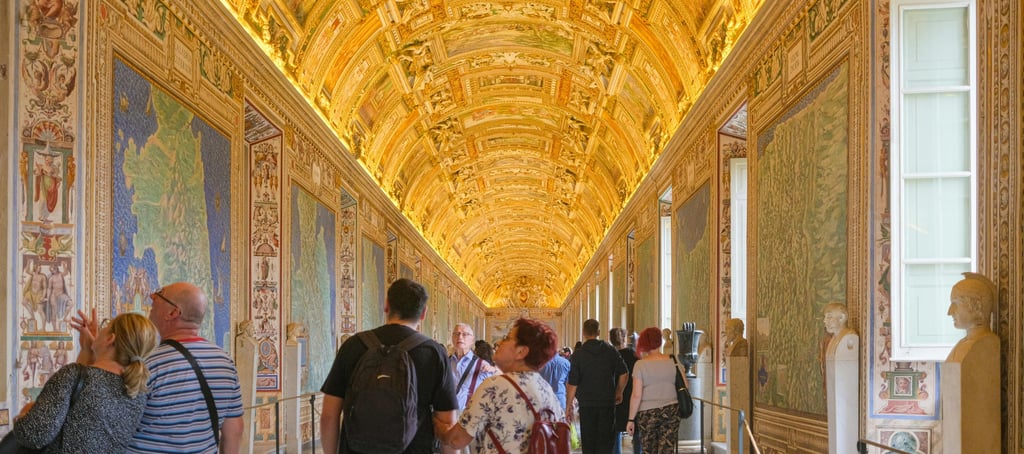
One of the first highlights is the Gallery of Maps, which features a series of stunning topographical maps that depict Italy in remarkable detail as they were known in the late 16th century. Each map is a visual feast, illustrating not only geographical features but also regional costumes and landmarks, offering insights into the Italian territories during the time of Pope Gregory XIII. This gallery serves as both an artistic and scholarly journey through Italy’s historical landscapes.
Another must-see is the Raphael Rooms, a series of papal chambers adorned with artworks by the renowned master Raphael. The most famous among these is the School of Athens, which captures the essence of humanism and intellectual discourse that defined the Renaissance. This fresco is admired not only for its aesthetic beauty but also for its symbolic representation of philosophical enlightenment, featuring prominent figures like Plato and Aristotle engaged in spirited conversation.
Each piece within the Vatican Museums tells a story, revealing the cultural significance attributed to art throughout history. The interplay between spirituality and creativity can be observed in works by artists such as Michelangelo, whose masterpieces continue to inspire reverence and admiration. The Vatican’s collections transcend mere visual appreciation; they immerse viewers in the rich tapestry of historical narratives and religious heritage that have shaped Western civilization.
The Awe-Inspiring Sistine Chapel
The Sistine Chapel, one of the most celebrated masterpieces of Renaissance art, is an architectural wonder located within the Vatican. Commissioned by Pope Sixtus IV in 1477, the chapel is named after him and has since become synonymous with the remarkable artistic contributions of Michelangelo. The chapel is particularly renowned for its breathtaking frescoes that cover the vaulted ceiling and the altar wall, which were painted by Michelangelo between 1508 and 1512.
The ceiling of the Sistine Chapel features a series of nine narratives from the Book of Genesis, illustrating the Creation of the World and scenes such as the Creation of Adam, where God reaches out to Adam, filling the moment with a sense of divine connection. These scenes not only showcase exceptional artistry but also carry profound theological themes, depicting the relationship between God and humanity. The vibrancy of the colors and the dynamic figures are compelling, evoking a sense of awe among visitors.
Beyond the artistic brilliance lies a deeply spiritual experience for many who enter the chapel. The sheer scale and grandeur of Michelangelo’s work compel viewers to reflect not only on the biblical narratives but also on their personal beliefs and spirituality. The atmosphere is charged with reverence, often leading visitors to moments of introspection and emotional response. This monumental site serves as a bridge connecting earthly experiences with the divine, making it a transformative destination for countless individuals.
As visitors gaze upon Michelangelo's remarkable artistry, they find themselves not simply observers, but participants in a grand narrative that resonates on both historical and spiritual levels. The Sistine Chapel stands not only as an emblem of artistic genius but also as a powerful reminder of the enduring quest for spiritual significance within the human experience.
Transformative Benefits of Visiting the Vatican
The Vatican, a historic and spiritual epicenter, offers visitors an unparalleled experience that extends beyond mere sightseeing. Engaging with its profound art and rich cultural heritage can significantly impact one's mental and spiritual wellness. The environment of the Vatican encourages personal reflection and contemplation, fostering an atmosphere conducive to mental clarity and peace.
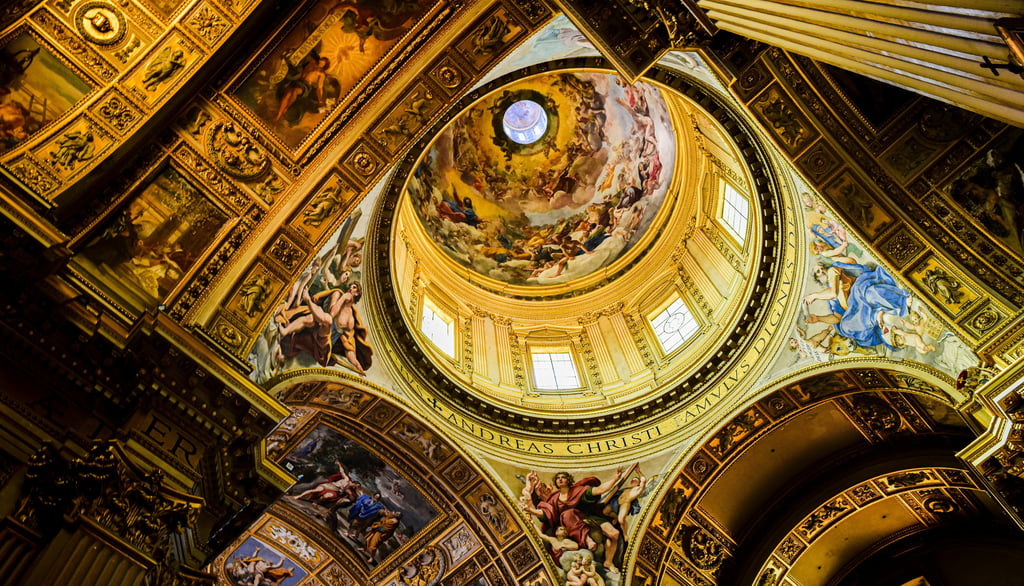
Art, culture, and spirituality intertwine within the Vatican, providing a sense of belonging and inspiration that many find transformative. The breathtaking artworks and architectural masterpieces, including Michelangelo's Sistine Chapel and Bernini's St. Peter's Basilica, evoke emotions that can lead to profound introspection. Observing these works can inspire visitors to explore their existential questions and bring forth a deeper understanding of their place in the universe.
Moreover, the Vatican's commitment to spirituality allows individuals to engage in practices that promote mindfulness and personal growth. Visitors can participate in services, attend lectures, or meditate in serene spaces like the Vatican Gardens. Such activities encourage one to slow down and be present, fostering a sense of well-being that often eludes the busyness of everyday life.
In addition, the collective experience of sharing this monumental space with others can create a sense of community. Engaging with diverse individuals who also seek spirituality and meaning provides essential social support. This shared journey often leads to the strengthening of personal connections, reinforcing the idea that we are all part of a greater whole.
Ultimately, a visit to the Vatican encourages sustained reflection and personal growth, contributing to overall mental health and wellness. By immersing oneself in the rich tapestry of art and spirituality, visitors can find new pathways to inspiration and serenity, enhancing their daily lives.
Plan Your Visit and Embrace the Experience
Planning a visit to the Vatican is an enriching experience that goes beyond acknowledging its significance as a religious center. To make the most of your journey, securing entrance tickets in advance is highly recommended, particularly for the Vatican Museums and the Sistine Chapel. Due to their immense popularity, these sites can experience overwhelming crowds, making pre-purchased tickets invaluable for a smoother entry.
When considering when to visit the Vatican, aim for early mornings or weekday visits. These times generally see fewer tourists than weekends and public holidays. Additionally, consider the off-peak seasons, typically during late autumn and winter, when visiting conditions are more favorable and crowds more manageable.
An essential part of planning your visit to the Vatican Museums is understanding how to navigate the vast collections. With over 9 miles of galleries housing masterpieces from various periods, it is easy to feel overwhelmed. Therefore, having a focused itinerary that highlights specific artworks or exhibitions can enhance your experience immensely. Art enthusiasts should make it a point to see Raphael’s Rooms and the iconic ceiling painted by Michelangelo in the Sistine Chapel.
To further enrich your visit, consider joining a guided tour. These tours typically provide insights that deepen your understanding and appreciation of the art and architecture surrounding you. In addition to your time at the Vatican, you may also want to include wellness retreats in Italy for a holistic experience that nurtures both your spirit and body.
For additional planning resources and to discover your ideal travel itinerary, visit getyourguide.com. Your journey through the Vatican can be a transformative experience deeply rooted in art, culture, and spirituality.