Welcome to your amazing next trip

The Enchanting Experience of a Tea Ceremony in Kyoto: A Pathway to Wellness
5/31/20264 min read
Understanding the Tea Ceremony: A Journey Through Tradition
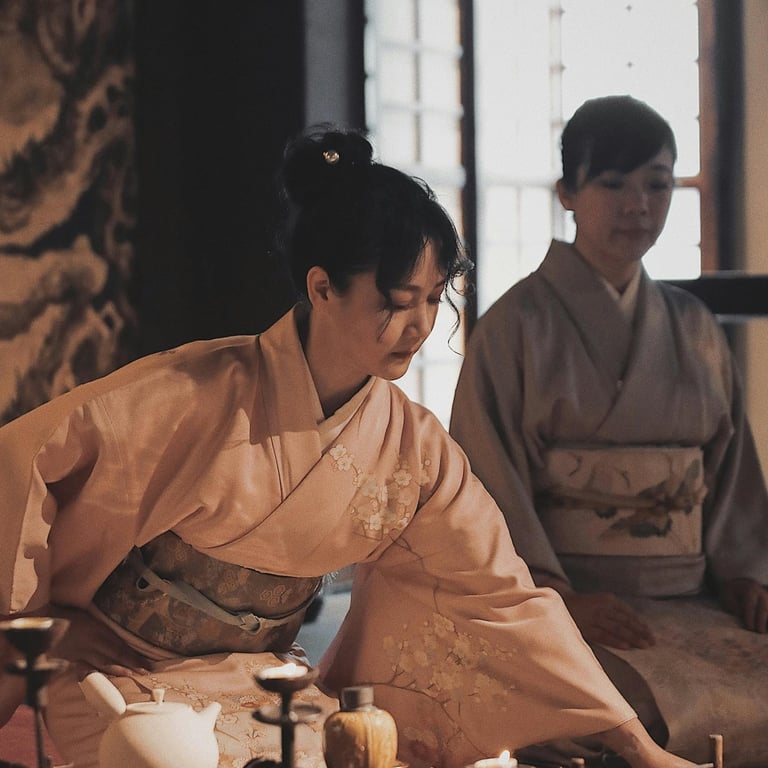
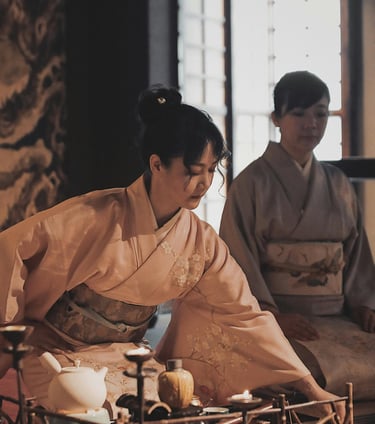
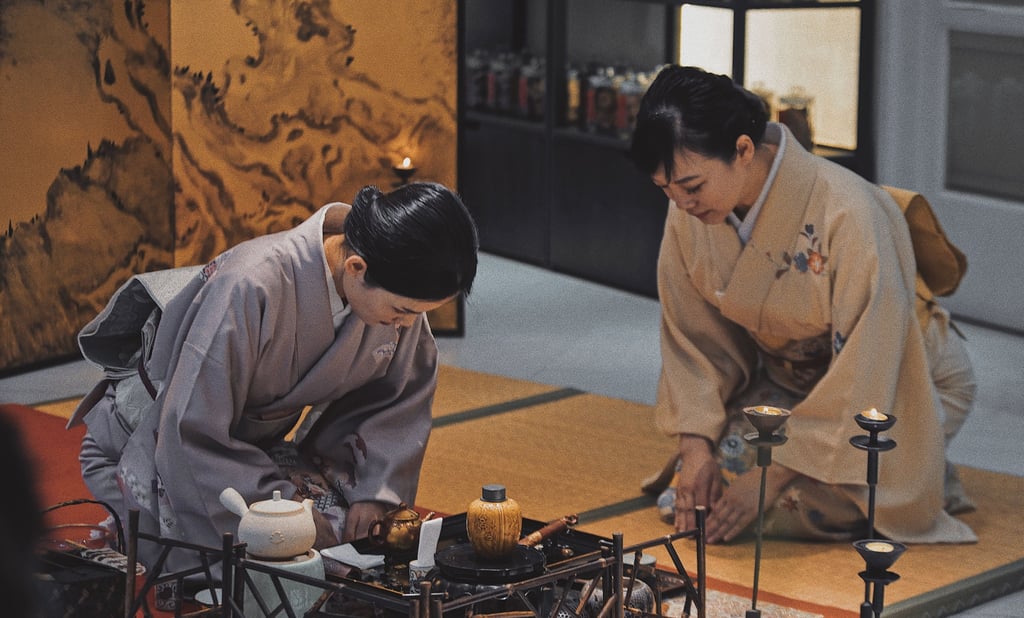
The Japanese tea ceremony, known as **"Chanoyu"**, is a profound cultural ritual that transcends mere tea preparation, shaping a unique narrative of mindfulness and meditation. Its origins can be traced back to Zen Buddhism in the late 12th century, serving as a spiritual practice that emphasizes simplicity and appreciation of the present moment. Over centuries, this ceremony has evolved, mirroring Japan's rich cultural heritage shaped by historical events and social shifts.
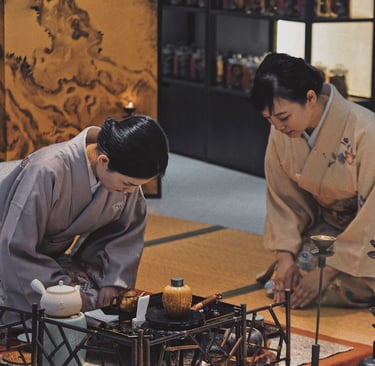
The ritual entails a meticulously choreographed set of movements where every action, from the whisking of matcha to the serving of sweets, is steeped in symbolism and intention. Participants engage in a series of practices that foster tranquility, allowing them to connect not only with one another but also with their inner selves. The tea house, particularly one near famous locales like Kiyomizu, plays a vital role in this experience, often designed to blend harmoniously with nature. The architecture and ambiance create a serene backdrop that enhances the overall mindfulness experience.
Key elements of the ceremony include the appreciation of seasonally themed decor, the presentation of each utensil, and the communal sharing of tea, which fosters a sense of connection. This gentle ritual promotes not only relaxation but also enhances mental clarity and emotional balance. Participants often find that engaging in this tradition leads to increased focus and improved well-being, as it encourages letting go of the complexities of daily life.
Ultimately, the tea ceremony exemplifies a profound cultural practice that embodies the philosophies of harmony, respect, purity, and tranquility, inviting individuals to slow down and appreciate life’s simple pleasures through mindfulness.
The Transformative Effects of Attending a Tea Ceremony
Participating in a tea ceremony in Kyoto transcends mere observation; it becomes an enriching experience that fosters relaxation and mindfulness. This ancient ritual, steeped in tradition, invites individuals to become fully present, promoting a sense of serenity that is often elusive in today’s fast-paced world. The deliberate pace of the ceremony, combined with the gentle aesthetics of the surroundings, encourages a deep connection to the moment, allowing for personal reflection and mental clarity.
Alongside these immediate psychological benefits, attending a tea ceremony also cultivates a profound appreciation for Japanese culture. Participants are immersed in a world where artistry and history converge, illuminating the intricate practices that have been honed over centuries. This cultural engagement serves not only to heighten awareness of the tea-making process but also to appreciate the social connections that such ceremonies foster. The interactions between the host and guests during the ritual highlight the importance of harmony and etiquette, principles which are deeply integrated into Japanese life.
Furthermore, the experience of attending a tea ceremony can be likened to an affordable wellness retreat. In Japan's burgeoning wellness tourism scene, such ceremonies provide an accessible way to incorporate elements of relaxation and mindfulness into one’s travel itinerary. They serve as a counterbalance to the hustle and bustle often associated with exploring vibrant cities. By dedicating time to the meditative practice of enjoying tea, travelers can connect with their inner selves while exploring the beautiful landscape and cultural heritage of Japan. Consequently, similar benefits can also be found in associated practices like yoga and meditation retreats, enriching the overall wellness experience during one's visit.
Combining Wellness with Travel: Kyoto’s Offerings Beyond the Tea Ceremony
While the traditional tea ceremony in Kyoto provides a unique glimpse into Japan's rich cultural heritage, the city also serves as a gateway to various wellness opportunities that enhance both mental and physical well-being. Kyoto, renowned for its serene environment and historical landmarks, is home to several wellness retreats that cater to different needs and preferences.
A notable aspect of wellness tourism in Japan is its diverse range of retreat themes. Visitors can explore yoga and meditation retreats, each designed to foster inner peace and physical rejuvenation. Many of these retreats incorporate the natural beauty of Kyoto, allowing participants to engage in their practice surrounded by the tranquility of lush gardens or by the banks of serene rivers. The tranquil atmosphere acts as a retreat for those seeking to escape the hustle and bustle of city life while working towards personal wellness goals.
In addition, planning for the future, there are several promising wellness retreats slated to open in Japan by 2026. These forthcoming offerings aim to blend traditional Japanese healing practices with modern wellness techniques. Travelers can look forward to holistic retreats offering services such as detox programs, spa treatments, and mental health workshops, all designed to promote a balanced lifestyle.
Affordability is another key consideration for wellness travelers. Many retreats in Japan strive to provide a range of options, ensuring that visitors from all backgrounds can participate. Community-based learning and workshops often enhance the experience, making wellness accessible and engaging.
Ultimately, while the tea ceremony remains a cornerstone of Kyoto’s cultural and wellness offerings, the city presents numerous avenues for individuals seeking a comprehensive wellness experience. From serene yoga practices to enriching holistic retreats, Kyoto stands as an exemplary model of the potential for wellness tourism within this vibrant destination.
Taking Action: Planning Your Kyoto Adventure
Embarking on a journey to Kyoto to experience the serenity of a traditional tea ceremony is an enriching endeavor. This culturally immersive activity not only introduces you to the artistry of Japanese tea preparation but also offers a unique path to wellness. To fully embrace this experience, careful planning is essential. Consider utilizing platforms like GetYourGuide.com, a convenient resource that can help streamline your travel itinerary.
When planning your visit, it is beneficial to explore various wellness activities available in Kyoto. Beyond the tea ceremony, the city is dotted with serene gardens, ancient shrines, and inviting sanctuaries, all contributing to a holistic wellness journey. From guided meditative walks in historic districts to zen meditation classes, opportunities abound for rejuvenation and reflection. Ensure you inquire about tailored experiences that resonate with your individual wellness goals, enhancing the overall journey.
Additionally, visiting local tea houses allows you to gain firsthand insight into the meticulous rituals associated with the tea ceremony. Engaging fully in these experiences fosters a deeper connection to Japan’s rich cultural heritage, promoting not only appreciation but also mental well-being.
As you prepare for your Kyoto adventure, remember that the essence of exploring Japan lies in the embrace of its spiritual retreats and tranquil practices. The tea ceremony serves as an anchor to this exploration, inviting you to pause, reflect, and cultivate an inner sense of peace amidst the vibrancy of modern life. By planning thoughtfully and utilizing resources like GetYourGuide, you are well on your way to embarking on an unforgettable wellness journey in Kyoto.